

Earlier today I posted three words in the Gold Empire room that stopped a lot of people in their tracks: “Stop trading for now.” The news was hitting, gold was moving fast, and my inbox filled with the same question over and over: “Matthew, aren’t we missing it?” I understand the feeling. When the chart is flying and everyone around you is talking about a fast +90 pip candle, sitting still feels like the hardest thing in the world. But I want to tell you something I’ve learned the slow, expensive way over the years: sitting on the sidelines is a position. Cash is a position. And on days like today, it’s often the smartest one on the board.
This isn’t a lesson about how to trade through the chaos. It’s the opposite. This is about the quiet discipline of not trading, why choosing to stay out is a sign of strength rather than weakness, and how the traders who are still standing years from now are almost always the ones who learned to sit on their hands when the market lost its mind.
Why “Cash Is a Position” Is More Than a Slogan
Most people think a trader only has two states: in a winning trade or in a losing trade. They forget there’s a third state, and it’s the most powerful one available to you, flat. No exposure. No risk on the table. Fully in control of your capital.
When I say cash is a position, I mean it literally. Choosing to hold cash is an active decision, not a failure to act. You are making a call: “The conditions in front of me don’t justify putting my money at risk right now.” That is a legitimate, deliberate market stance. The trader who stays flat through a violent, news-driven session has not “missed” anything. They’ve protected the one thing that lets them keep playing the game, their account.
Here’s the reframe I want you to sit with. Every trade you don’t take is a trade you can’t lose. On a day when structure is broken and price is whipping in both directions, the absence of a loss is a win. You just don’t get the dopamine hit that comes with it, which is exactly why so few people can do it.
When Not to Trade Gold: Reading the Chaos Honestly
So how do I decide it’s a “hands off” day? I’m not going to hand you a mechanical rule, because that’s not how discipline works and it’s not honest to pretend a checklist replaces judgment. But I can tell you the conditions that make me lean toward doing nothing.
- The spread widens sharply. When brokers widen spreads during breaking news, the market is telling you liquidity has thinned out and the cost of being wrong just went up. That alone makes me cautious.
- Structure breaks down. The levels that were respected an hour ago suddenly mean nothing. Price slices through zones like they aren’t there. When the map stops matching the territory, I stop trusting the map.
- The move is driven by a headline, not by the chart. Geopolitical news, surprise data, an unexpected statement, when gold is reacting to a story rather than to price behavior, I’m no longer trading a market I understand. I’m gambling on how a crowd will interpret a headline. That’s not my edge.
- My own heart rate is up. This one is the most honest signal of all. If I notice I’m leaning toward the screen, refreshing, feeling the pull to “just get in,” that urgency is data. It’s usually a sign the setup is being manufactured by my emotions, not offered by the market.
When several of these line up, the disciplined move is often no trade at all. Not a smaller trade. Not a “quick scalp to catch a piece of it.” No trade. That’s the whole skill.
The FOMO Trap: Why Chasing a Fast Move Feels So Right

Let’s talk about the real enemy on days like this, because it isn’t the news and it isn’t the volatility. It’s FOMO, the fear of missing out. And it is one of the most expensive emotions in this business.
When you watch a +90 pip move rip past you and you’re not in it, your brain does something cruel. It calculates the money you “could have made” and files it as a loss. But you didn’t lose anything. You simply didn’t win on a bet you never placed. The problem is that phantom loss feels every bit as real as a real one, and it pushes you to do something reckless to “make it back”, money you never actually had.
That’s how the chase begins. You jump in late, at the worst possible price, right as the move is exhausting itself. The spread eats you on entry. Price reverses because you bought the top of a spike. And now you have a genuine loss to sit with, born entirely from the fear of missing a gain that was never yours.
The market will run a thousand moves without you. Your only job is to still be here to catch the ones that fit, with your capital intact.
I’ve told my community many times: the fast move you chased and the disciplined trade you waited for are not the same species. One is a reaction. The other is a decision. Beating FOMO isn’t about ignoring the fear, the fear will always be there. It’s about refusing to let the fear hold the mouse.
Protecting Capital Is the Priority, Everything Else Is Secondary
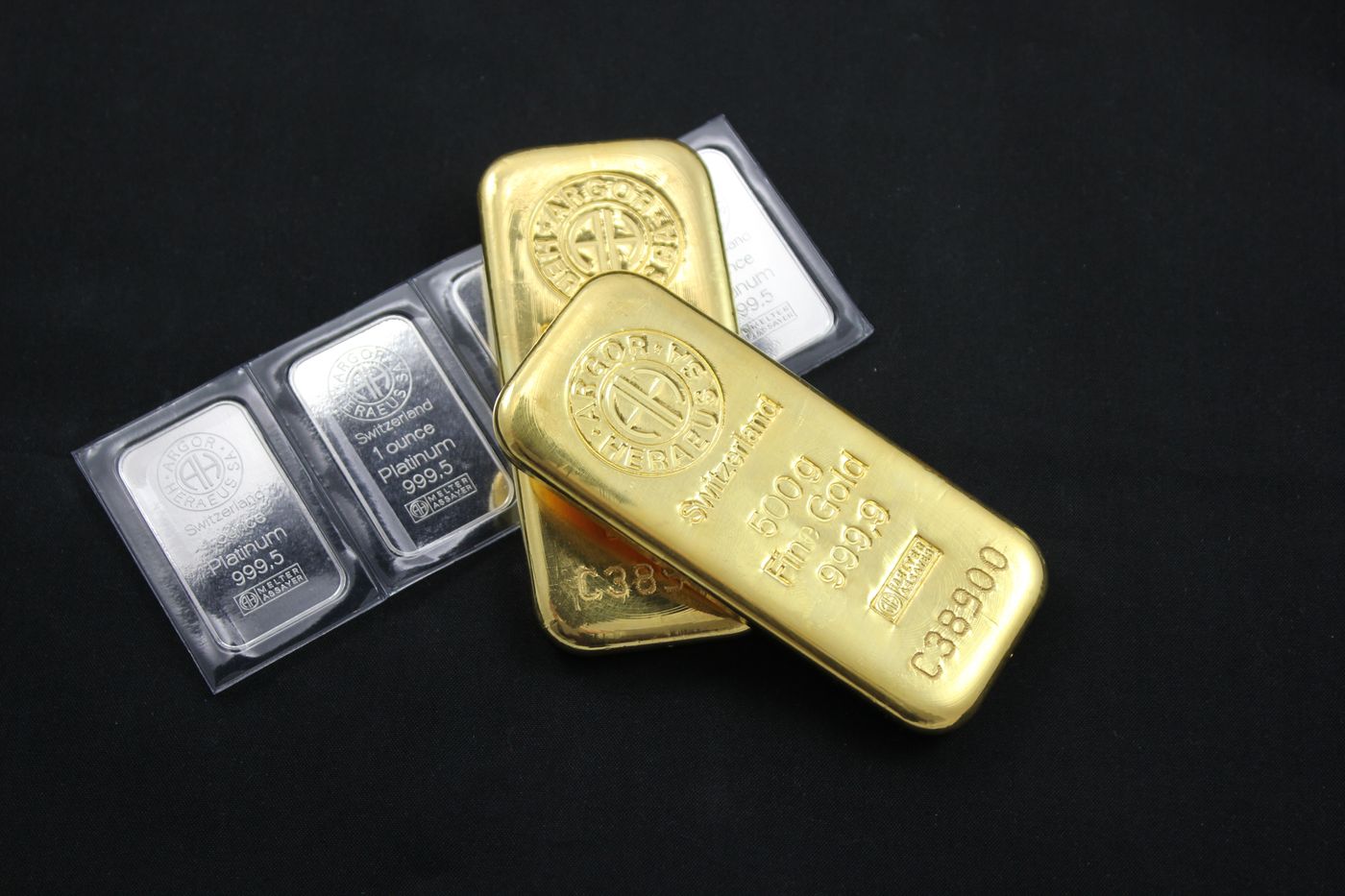
If you take one thing from this entire article, make it this: protecting capital is the priority. Not catching every move. Not being right. Not proving anything to anyone in the chat. Survival first.
Think about why this matters mathematically, not emotionally. Your capital is the engine that lets you participate at all. Blow a large chunk of it on a chaotic session, and you don’t just lose money, you lose the ability to be present for the calmer, cleaner conditions that come after. The trader who protects capital through the storm walks into the next opportunity fully loaded. The one who chased and got hurt walks in wounded, hesitant, and trying to recover instead of trading clearly.
This is the part almost nobody talks about honestly, so I will: most retail traders lose money. That’s not me being negative; it’s the reality of a leveraged market. And a huge share of those losses don’t come from a lack of skill or a bad strategy. They come from overtrading, from being in the market when there was no good reason to be. The discipline of not trading removes an entire category of losses from your life. It is, quietly, one of the most effective risk-management tools you own, and it costs you nothing but your ego.
Staying Out Is the Skill That Keeps You in the Game
I want to reframe restraint completely, because our whole culture trains us to see action as strength and stillness as weakness. In trading, it’s frequently the reverse.
Anyone can click buy. Anyone can feel the excitement and pile into a moving market. What’s rare, what actually separates the traders who last from the ones who flame out, is the person who can watch a wild session unfold, feel the full pull to participate, and calmly choose to keep their capital where it is. That’s not passivity. That’s mastery of the present moment. It’s the ability to sit with discomfort without acting on it, which is the same muscle that makes someone good at every hard thing in life.
The best sessions of my career weren’t the ones where I made the most on a single trade. They were the days I closed the laptop, went for a walk, and came back to a full account while the market had chewed up everyone who couldn’t resist. Nobody posts a screenshot of a trade they didn’t take. But those non-trades are the invisible foundation under everyone who is still here years later.
So the next time you see me post “stop trading for now,” I hope you’ll hear it for what it is, not a warning that we’re missing out, but an invitation to do the strongest thing available to you. To wait for the right zone instead of chasing the market. To let the chaos pass. To protect what you’ve built. To still be here tomorrow, and the day after that, and the year after that. Because in this game, the person who lasts wins, and lasting is a discipline you practice one skipped trade at a time.
Get the free Gold Empire survival sheet, a one-page guide to protecting your account through the kind of market this article describes. One email, no spam, unsubscribe anytime.
Frequently Asked Questions
Isn’t sitting out just being afraid to trade?
No, and this is an important distinction. Fear-based paralysis is when good, clear conditions are right in front of you and you can’t act because you’re scared. Discipline is when you look at genuinely poor conditions, thin liquidity, broken structure, a headline-driven move, and consciously decide the risk isn’t justified. One is emotion trapping you. The other is judgment protecting you. Choosing to stay flat when the market is chaotic is a decision, not a hesitation.
How do I resist the urge to chase a fast move I’m watching?
Start by naming the phantom loss for what it is. The money on that +90 pip candle was never yours; not taking it costs you nothing. It helps to decide in advance that certain conditions mean “hands off,” so the choice is already made before the emotion arrives. Personally, when I feel the pull to chase, I physically step away from the screen. You cannot click a button you’re not sitting in front of. Beating FOMO is less about willpower in the moment and more about removing yourself from the moment.
How much of the time should a trader actually be in the market?
Far less than most beginners assume. There’s no magic number, and anyone who gives you a specific percentage is guessing. But the healthy mindset is that being flat is your default state, and a trade is the exception you make only when conditions clearly earn it. If you feel like you always need a position open, that itself is a warning sign worth examining. Quality of participation matters infinitely more than quantity.
Does staying out mean I’ll never grow my account?
It means you’re prioritizing survival, which is the precondition for any growth at all. You cannot compound anything if you keep resetting your account to zero on chaotic days. Please understand I’m not promising staying out will make you money, no one can promise that, and this is education, not a guarantee. What I can say plainly is that avoiding unnecessary losses is a real, measurable part of long-term risk management. Protecting capital keeps you in the game long enough for your process to matter.
About the Author
Matthew is the host of the Gold Empire community, a group of around 12,900 members who follow the XAU/USD market together with an emphasis on discipline, patience, and capital protection. He posts with a simple philosophy: wait for the right zone instead of chasing the market, and never mistake activity for progress. Matthew does not promise profits and does not sell hype, his focus is on the mindset and risk-management habits that help traders think clearly and last for the long term.
Risk disclaimer: This article is for educational purposes only and does not constitute financial, investment, or trading advice. Trading gold (XAU/USD) and other leveraged instruments carries a substantial risk of loss and is not suitable for everyone. The majority of retail traders lose money. Past behavior of the market is not a reliable indicator of future results. Never risk money you cannot afford to lose, and consider seeking advice from an independent, licensed financial professional before making any trading decision. Any action you take based on this content is strictly at your own risk.
One step first
Where should we send the Gold Survival Sheet?
Leave your email and we will send the free one page checklist, then take you straight to the Telegram channel.
No cost and no obligation. Educational only, not financial advice, and nothing here promises a return. Unsubscribe any time in one click.
Related from Gold Empire
Leave a Reply