
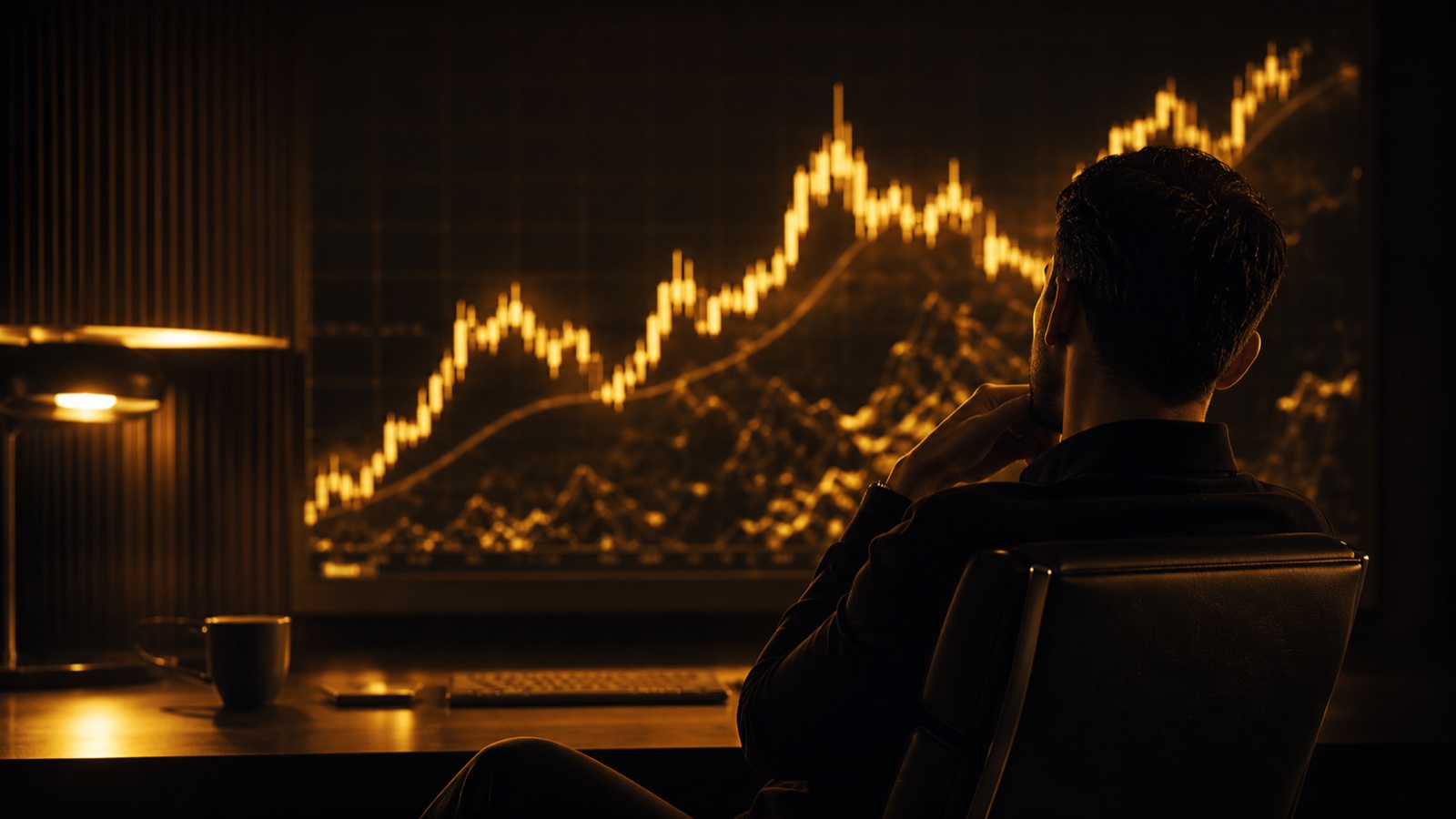
Let me describe a feeling you already know. A setup gets called. You hesitate, the entry looked a touch too far, or you were making coffee, or you just weren’t sure. Price never quite tags the level, so the trade is cancelled. And then gold turns and runs exactly the direction you were watching, without you on board. You sit there and it lands like a punch: I missed it. That should have been mine.
Here is what I want to say to you as plainly as I can, because it took me years and more than one blown account to learn it: a missed entry is not a loss. It only becomes expensive when you refuse to accept it, when the sting of missing pushes you to chase the next move, jump in late, and hand real money to the market to soothe a feeling. That’s the trap. Not the missed trade. The chase that follows it.
This is about that trap. Why your brain treats a skipped trade like a stolen one, why chasing to “make up for it” is the single most expensive habit in gold trading, and how to sit still when everything in you is screaming to jump.
Why a Missed Trade Feels Like a Loss (When It Cost You Nothing)
Look at the actual scoreboard for a second. When a trade is cancelled or you skip an entry, your account is completely unchanged. Not a dollar left it. You have exactly what you started the session with. By any honest measure, nothing happened.
So why does it hurt like something did?
Because your mind isn’t scoring dollars, it’s scoring the imaginary win it just built. The moment you see price run the way you predicted, your brain quietly awards you the profit you “would have” made, and then watches it evaporate. You’re not grieving money you lost. You’re grieving money you never had. It’s a phantom. But the ache is real, and the ache is what drives the next mistake.
There’s a well-documented quirk of human psychology underneath this: we feel the pain of a loss far more sharply than the pleasure of an equivalent gain. A missed opportunity gets filed by your emotions in the same drawer as a real loss, even though one emptied nothing and the other would have. Understanding that your reaction is a wiring issue, not a verdict on your skill, is the first step to not acting on it.
A skipped trade takes nothing from your account. Only the chase that follows can do that.
And here’s the part almost nobody says out loud: there will always be another setup. Gold does not trade once a week. The market is not a train leaving the station for the last time. It is a bus route that runs all day, every day, for the rest of your trading life. The setup you missed this morning has a cousin coming this afternoon, and another tomorrow. Missing one is not scarcity. It only feels like scarcity in the ninety seconds after it happens.
The Real Cost: Chasing to Make It Back
Here is where the account actually bleeds. Not from the miss, from what the miss provokes.
You skipped the clean entry, price ran, and now you feel behind. So you do the thing that feels like catching up and is actually the opposite: you jump in late. You buy after the move has already happened, at a worse price, with your stop loss, the level where you’d agreed to get out if wrong, now sitting much further away. You’ve entered a worse trade, at a worse location, carrying more risk, for the emotional reason of not wanting to feel left out. That is a chase. And chases lose.
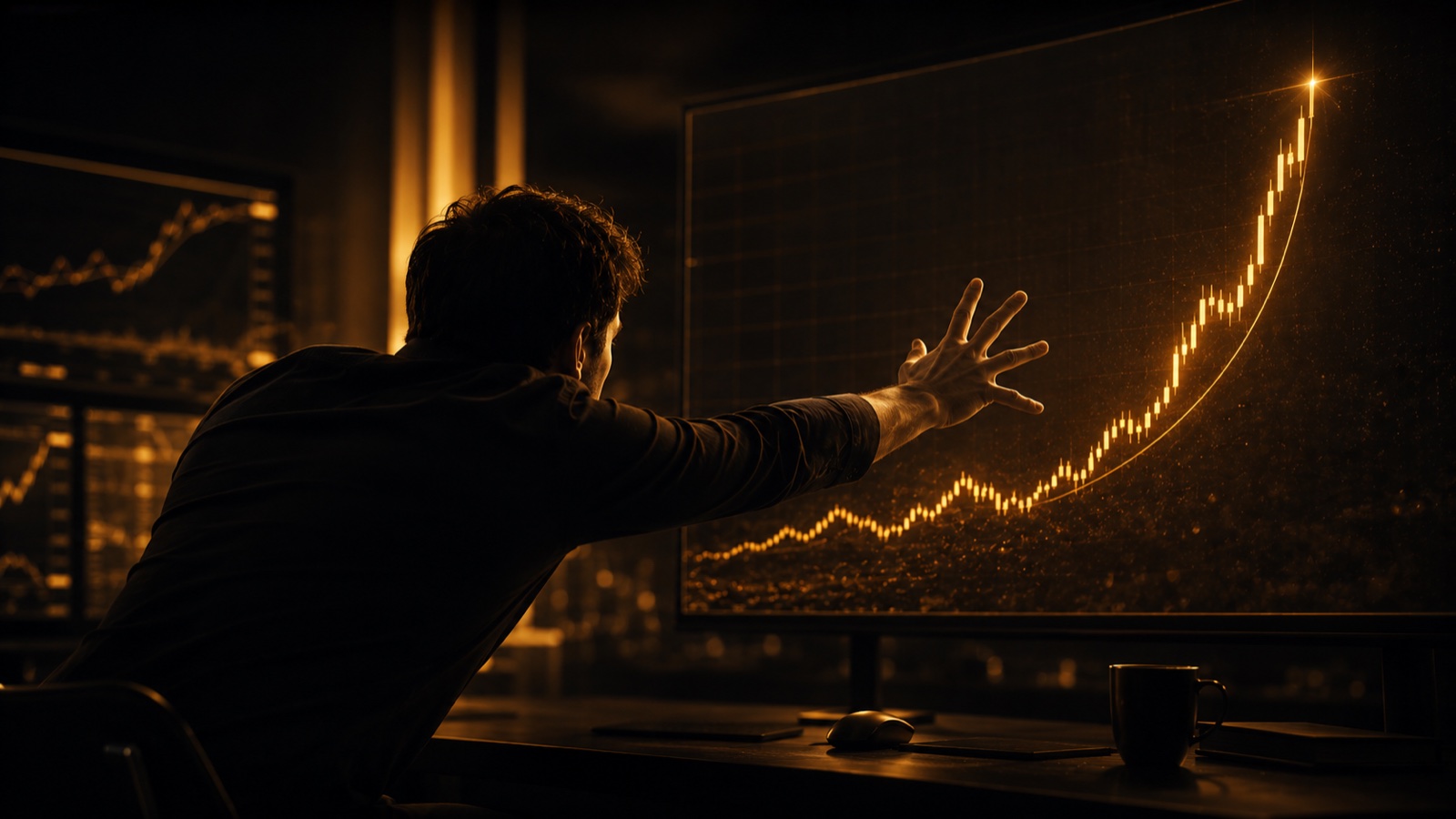
Watch the sequence, because it’s always the same:
- The miss. A clean setup passes you by. Cost: nothing.
- The itch. Price runs your direction. Your brain awards you a phantom profit, then takes it away.
- The chase. You enter late, at a bad price, to “get back in.” Now real money is at risk on a trade your plan never approved.
- The trap. The late entry goes against you, because you bought high in a move that was already stretched. Now you’re in an actual loss, born entirely from a trade that cost you zero.
Read that last line again. You turned a free event into a real loss. The market didn’t do that to you. The feeling did. I’ve watched more accounts die in that four-step loop than from any bad analysis, and I’ve walked it myself more times than I’d like to admit.
The cruelest part is how it disguises itself. Chasing doesn’t feel reckless in the moment. It feels like discipline, like you’re being diligent, not letting the opportunity get away, working hard to capture the move. That’s the disguise. Real discipline in gold trading is almost always the thing that feels like doing nothing.
What Patience Actually Looks Like at the Chart
Everyone tells you to “be patient.” Almost nobody tells you what patience is actually made of, minute to minute, when the itch is live. Patience isn’t a personality trait you’re born with or without. It’s a set of rules you wrote while you were calm, and obey while you are not. Here’s what mine look like.
Trade the level, not the move
Decide your entry before the session and let price come to you. If it doesn’t reach the level, the trade doesn’t exist, full stop. The move happening without you is not an invitation to jump in higher. It is simply information that this particular setup wasn’t yours. Chasing price into a stretched move is buying at the worst possible spot, and your account can tell the difference even when your feelings can’t.
Name the phantom out loud
When you feel the sting of a miss, say it to yourself plainly: “That was a phantom profit. My account is unchanged. Nothing was lost.” It sounds silly. It works. Naming the feeling for what it is, grief over money you never had, drains most of its power to make you act.
Keep a “chase journal”
For one month, write down every time you chased an entry after a miss, and what happened. Not the wins and losses of your planned trades, just the chases. Read it back at month’s end. I promise you the ledger will be ugly, and that ugliness is the most persuasive teacher you’ll ever have. You can’t argue with your own handwriting.
Set a hard cap on trades per session
Decide, before you start, the maximum number of trades you’re allowed to take, and stop when you hit it, win or lose. This one rule quietly kills the chase, because the chase is almost always the “extra” trade, the one outside the plan, the one you take to fix a feeling. Cap the count, and the chase has nowhere to live.
The trades you skip protect the capital that lets you take the trades that count. Sitting on your hands is a position too.
None of this is exciting. That’s exactly why it works. The chase feeds on urgency and drama; a rule written in advance starves it. Trading gold carries real risk, and most retail traders lose money, patience won’t change that arithmetic, but it decides whether you stay in the game long enough to keep learning.
The Mindset Shift: From Scarcity to Abundance
Underneath every chase is a single false belief: that was my only shot. Scarcity. The conviction that opportunities are rare and this one getting away is a small tragedy you must correct immediately.
The professional operates from the opposite belief, and it isn’t optimism, it’s just an accurate reading of the market. Opportunities are not scarce. They are effectively infinite. Gold gives you setups every single session, week after week, for as long as you choose to trade it. When you truly absorb that, the missed trade loses its grip. Why would you chase a bus you missed, at a sprint, into traffic, when another one is already pulling up to the stop?
This is the quiet difference between the traders who last and the ones who don’t. It isn’t that the survivors have sharper analysis or never miss entries. They miss constantly. The difference is that a missed trade means nothing to them, because they’re not counting this trade, they’re counting the next thousand. One setup slipping by is a rounding error across a career. It is not a verdict, not a tragedy, and absolutely not a reason to abandon the plan that keeps them alive.
Protect your capital first. Let the missed trades go. Take only the setups your rules actually approve. Do that, and you stop being the trader who blows up chasing ghosts, and start being the one who’s still here next year, which, in this business, is the only real edge there is.

Get the free Gold Empire survival sheet, a one-page guide to protecting your account through the kind of market this article describes. One email, no spam, unsubscribe anytime.
Frequently Asked Questions
Is a missed trade the same as a loss? No. When you skip an entry or a setup gets cancelled, your account is completely unchanged, not a dollar left it. It only feels like a loss because your brain awards you the imaginary profit you “would have” made and then grieves it. That’s a phantom, not a real loss. The only way a missed trade costs you anything is if you chase the next move to make up for it.
Why do I feel so much regret over a trade I didn’t even take? Human psychology weighs the pain of a missed opportunity far more heavily than the pleasure of an equal gain, and it files “money I could have made” in the same drawer as “money I lost.” Your regret is a wiring quirk, not evidence that you did something wrong. Recognising it as a feeling, rather than a fact about your skill, is what stops it from driving your next click.
How do I stop chasing entries after I miss one? Decide your entry level before the session and refuse to buy above it; if price doesn’t come to you, the trade simply doesn’t exist. Cap the number of trades you’re allowed per session so the “extra” chase trade has nowhere to live. And keep a one-month journal of every chase and its outcome, reading your own ugly ledger back is the most persuasive cure there is.
Doesn’t skipping trades mean missing out on profit? It means missing individual moves, yes, but opportunities in gold are effectively infinite, and the setups you skip protect the capital that lets you take the ones your plan actually approves. The traders who last aren’t the ones who never miss. They’re the ones who let misses go without turning them into chases.
About the Author, Matthew, Gold Empire
I’m Matthew, and I run Gold Empire, a XAU/USD channel built on one unfashionable idea: protect your capital first, and let the rest follow. I don’t post a wall of cropped winners or promise you life-changing weeks. I share honest analysis, the misses and cancelled setups included, and I talk openly about the psychology that quietly empties accounts, because I’ve walked into every one of those traps myself, chasing ghosts included. My focus is discipline, risk management, and the long game: staying in the market for years, not going out in a blaze chasing one move you were never supposed to take.
Risk disclaimer: This article is for educational purposes only and is not financial advice. Trading gold, CFDs and other leveraged instruments carries a substantial risk of loss, and most retail traders lose money. Nothing here is a promise of profit or a recommendation to enter any specific trade. Past performance does not guarantee future results. Only trade with capital you can afford to lose, and consider seeking advice from a licensed professional who understands your full situation.
You reached the end. Nice work. 👏
Read the lesson through, then claim your 100 XP and climb a rank in the Survival School. Progress saves on this device, no sign-up, no email.
One step first
Where should we send the Gold Survival Sheet?
Leave your email and we will send the free one page checklist, then take you straight to the Telegram channel.
No cost and no obligation. Educational only, not financial advice, and nothing here promises a return. Unsubscribe any time in one click.
Related from Gold Empire
- Sitting on the sidelines is a position
- Why consistency beats being right
- Risk management for gold trading
Leave a Reply